Scissor Cut vs. Clipper Cut: Which Finish Fits Your Hair?
Compare scissor and clipper cuts by length, shape and finish. Learn why many haircuts use both tools and what to discuss with your barber.
By City Barbers3 min read5 sections
In this article
The short answer
Scissors and clippers create different kinds of control, but they are not competing definitions of a good haircut. Clippers are useful for close lengths and consistent short sections. Scissors allow the barber to shape longer hair, adjust weight and refine movement. Many haircuts use both.
When deciding what to request, start with the finish you like. Fuller sides, a very close perimeter and a textured top each call for different decisions. Your barber can choose the tools after you agree on the result.
When clippers are useful
Clippers can establish short lengths through the sides and back, create fades and shape closely cropped styles. Guards, blade settings and the barber’s technique all affect the finished length. The same guard number does not explain the height of the fade or the shape of the top.
If you know a previous setting worked for you, mention it. Then explain where it was used and whether you liked the transition. “A number two on the lower sides, with more weight kept above” is more helpful than a number by itself.
When scissors are useful
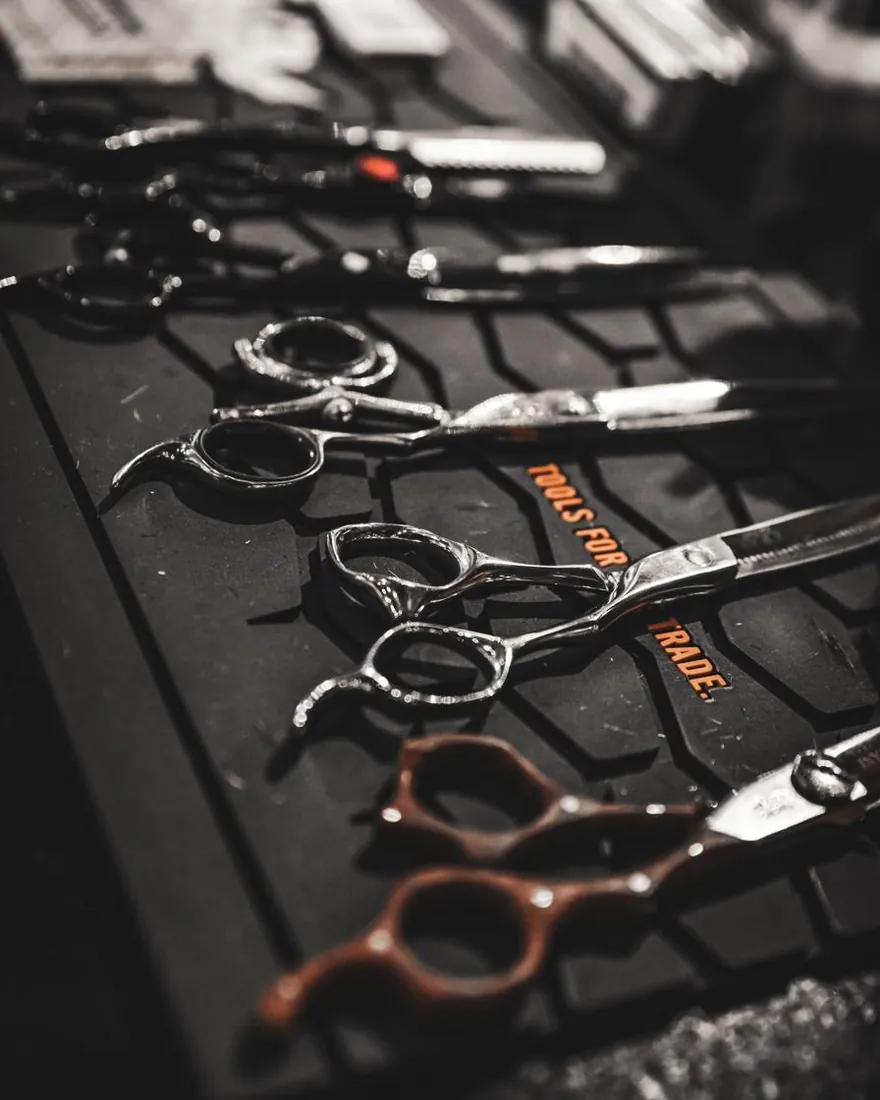
Scissor work can preserve movement and tailor the outline when you want more length. It can also refine the top of a short haircut, remove selected weight and connect sections that need different treatment.
A scissor cut does not necessarily mean long hair. Scissors can be used over a comb to shape shorter areas too. Likewise, a longer style is not automatically softer simply because scissors were used. The amount of length removed and the placement of weight determine much of the effect.
Why a combination often makes sense
You might want tight sides and a top that moves naturally. In that case, clippers can establish the shorter section while scissors refine the shape above it. The important detail is how those areas connect.
A disconnected style intentionally leaves a stronger separation. A blended haircut creates a more gradual transition. Show your barber which effect you prefer, especially if you dislike a heavy ledge where the short sides meet the longer top.
Discuss the problems you want solved
If your hair sticks out when the sides are cut too short, describe that history. If a longer perimeter feels bulky, point to where it becomes wide. Your barber may recommend keeping length in one area while removing weight in another.
For curls or waves, explain how you wear your hair on a normal day. The finished shape should account for the way the hair sits, rather than simply matching a length measured while it is pulled straight.
 Related guideHaircuts for Wavy Hair That Work With the BendRead the guide
Choose the appointment by the work involved
A tool preference is useful information, but the booking should reflect the service you need. City Barbers offers several haircut options, including a Master Senior Instructor Haircut for all hair types and lengths.
If you are moving from a close clipper cut to a longer shape, bring a reference and say you want to preserve length. Explore the haircut menu and book your next appointment at City Barbers in Salt Lake City.
Related service
Men’s Haircuts
A full 55 minutes in the chair: your cut, a straight-razor finish, hot and cold towels, a deep tissue massage and a relaxing hair wash.
241 E 300 S, downtown Salt Lake City · Tuesday to Sunday, 8 AM to 8 PM · (801) 243-6915